

Introduction
For years, video games have looked incredible but felt predictable. No matter how detailed the world was, non-player characters often repeated the same dialogue, followed rigid paths, and reacted the same way every time. That illusion is finally breaking. AI-driven NPCs are becoming one of the most important ongoing gaming trends because they change not how games look, but how they respond.
Instead of scripted behavior, modern NPCs are beginning to think, adapt, and communicate dynamically. This shift is transforming immersion, storytelling, and player freedom in ways that traditional game design never could.
1. From Scripted Characters to Living Personalities
Traditional NPCs rely on pre-written dialogue trees and fixed behavior patterns. Once a player understands those patterns, the magic disappears. AI-driven NPCs work differently. They use language models, behavior systems, and contextual awareness to generate responses in real time.
This allows characters to:
- React differently to each player
- Remember past interactions
- Change attitudes over time
- Respond naturally rather than mechanically
Instead of selecting dialogue options from a menu, players experience conversations that feel spontaneous and human. NPCs can express curiosity, suspicion, gratitude, or fear based on what has actually happened in the game world.
This makes even simple interactions—asking for directions, negotiating rewards, or resolving conflicts—feel meaningful instead of transactional.
2. Why AI NPCs Deepen Immersion More Than Graphics Ever Could
Graphics can impress, but behavior convinces. AI-driven NPCs improve immersion by making the world feel aware of the player’s presence. Characters no longer exist only to serve quests; they exist within the world.
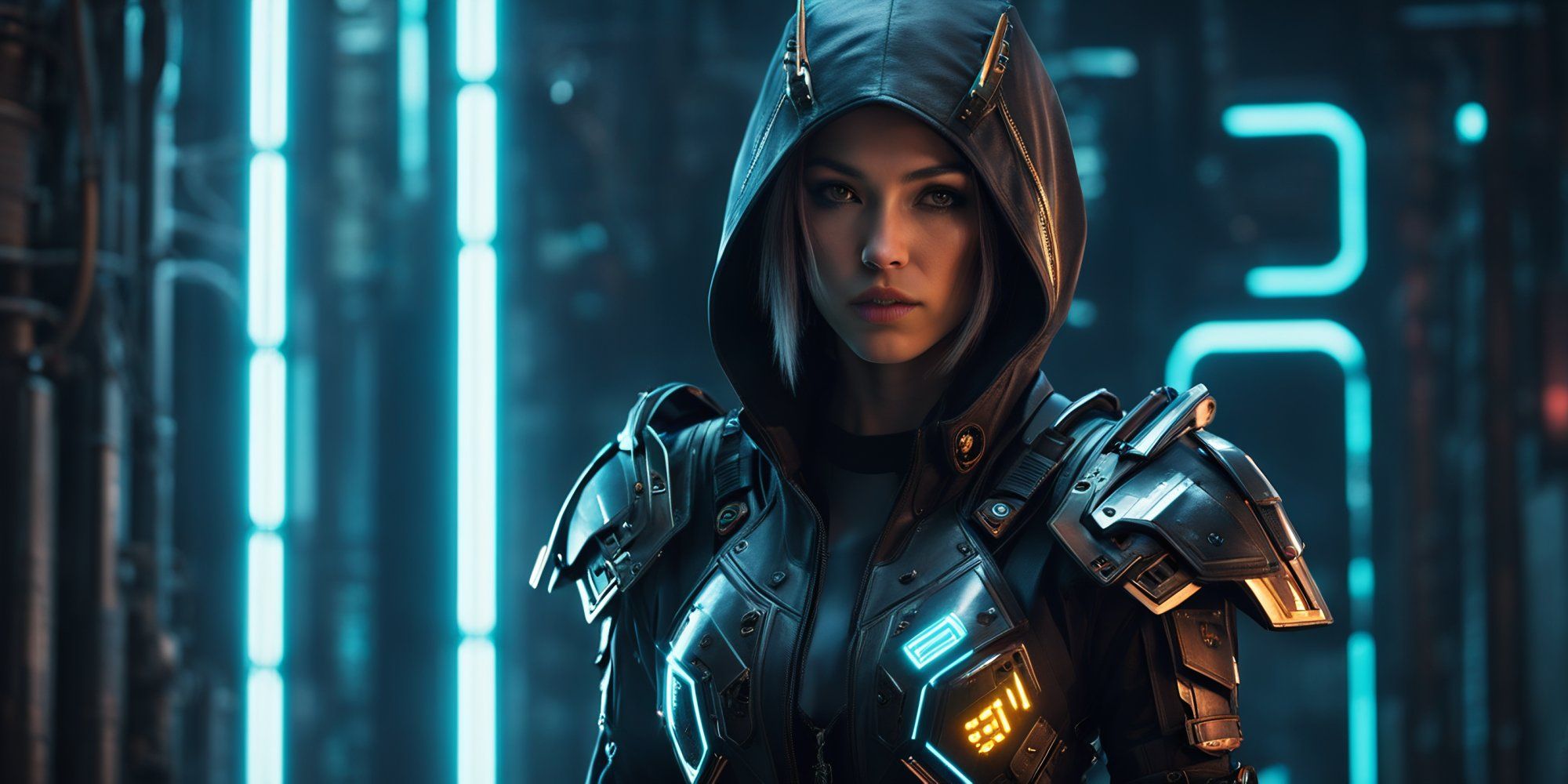
In open environments, NPCs can:
- Follow believable daily routines
- Interact with each other dynamically
- React to player reputation and past choices
- Create emergent, unscripted moments
A town no longer feels like a collection of static models. It feels like a functioning society. Players begin to slow down, listen, and engage because the world responds authentically.
This is why many developers see AI NPCs as a bigger leap forward than ray tracing or higher frame rates.
3. The Long-Term Impact on Game Design and Players
AI-driven NPCs are reshaping how games are built. Writers shift from scripting every line to defining personalities and boundaries. Designers focus on systems rather than sequences. Players gain more agency, but also more responsibility.
The long-term impact includes:
- Higher replay value
- Personalized storytelling
- Deeper emotional engagement
- More unpredictable gameplay
As tools improve, AI NPCs will become standard rather than experimental. Games will feel less like products and more like places you visit.
Conclusion
AI-driven NPCs represent a quiet revolution in gaming. By replacing scripts with intelligence, developers are creating worlds that feel alive, reactive, and personal. This trend is not about novelty—it’s about making games feel real in ways they never have before.