Introduction to NVIDIA Graphics Cards
Are you ready to dive into the world of graphics cards? If you’re on the hunt for the best NVIDIA graphics card, you’re in good company. Whether you’re a gamer aiming for that unrivaled performance or a creative professional seeking stunning visuals, choosing the right GPU can make all the difference. With so many options available from NVIDIA, it can feel overwhelming. But don’t worry—we’re here to guide you through every step of your decision-making process.
From understanding complex GPU architecture to comparing different series and models, we’ll break down everything you need to know about selecting an NVIDIA GPU that perfectly fits your needs. Let’s embark on this journey together and uncover how to choose a graphics card that elevates your experience!
Understanding GPU Architecture and Terminology
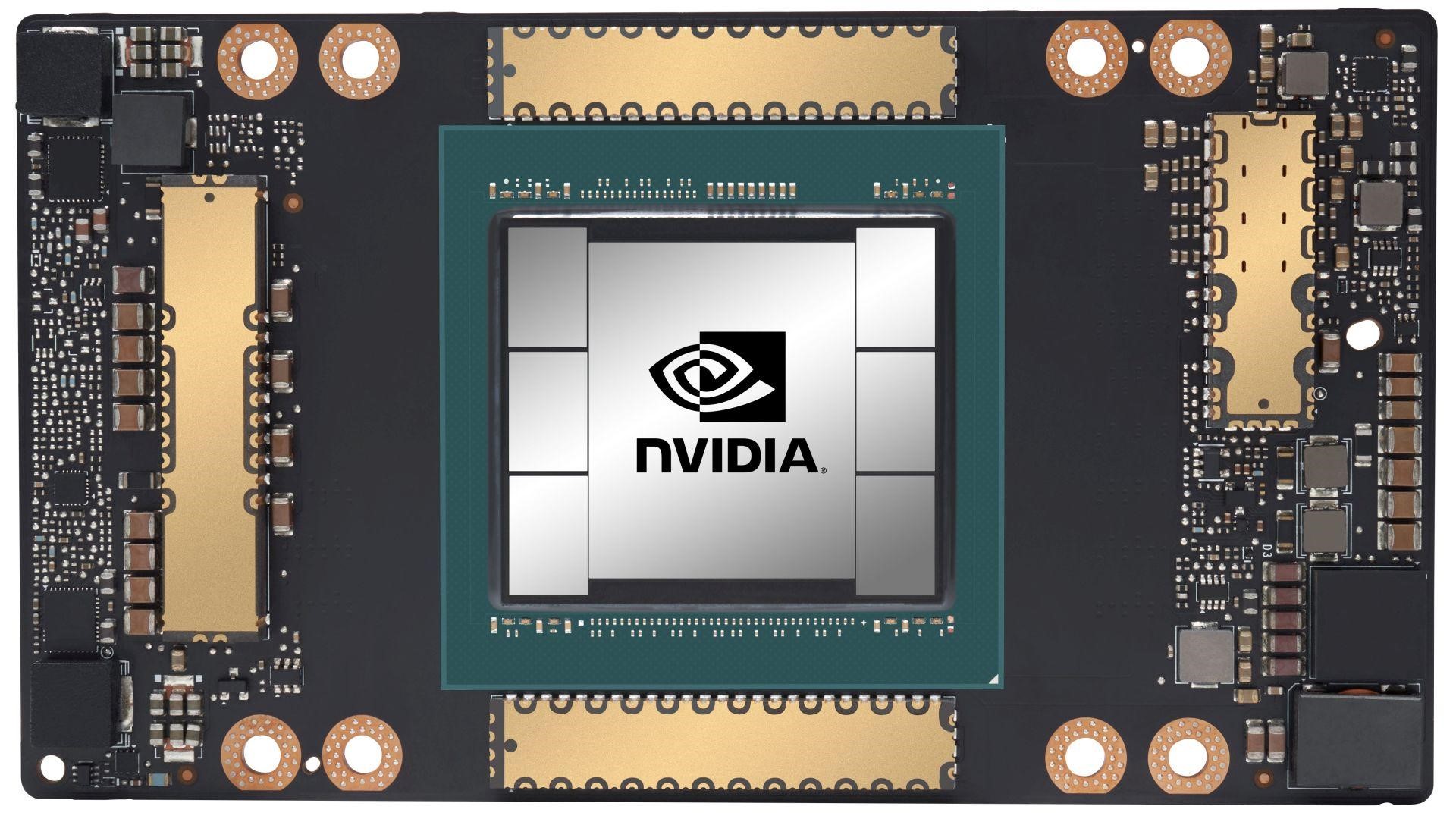
Graphics processing units (GPUs) are complex pieces of technology designed to handle the heavy lifting involved in rendering images and graphics. At their core, they utilize thousands of small cores that work simultaneously. This parallel processing capability is what makes GPUs so powerful for tasks like gaming and video editing.
When exploring GPU architecture, terms like “CUDA cores” come into play. These are NVIDIA’s proprietary parallel processors that accelerate computing tasks across a range of applications.
Another key term is “VRAM,” or video RAM, which stores graphical data temporarily for quick access during high-performance tasks. The more VRAM a GPU has, the better it can manage high-resolution textures without lagging.
Understanding these elements gives you insight into how different models perform under various workloads—crucial knowledge when determining the best NVIDIA graphics card for your needs.
Comparison of NVIDIA’s RTX and GTX Series
NVIDIA’s RTX and GTX series cater to different user needs. The GTX line is often associated with solid performance for gaming at 1080p resolutions, making it a budget-friendly choice. It’s ideal for casual gamers who want quality without breaking the bank.
On the other hand, the RTX series shines in high-performance scenarios. Equipped with real-time ray tracing capabilities, these GPUs deliver stunning visuals that enhance immersive gameplay experiences. If you’re looking to game at higher resolutions or dabble in creative tasks like video editing, an RTX card can make a significant difference.
The architecture also varies greatly between them. While both lines offer good power efficiency, RTX cards utilize advanced tech such as DLSS (Deep Learning Super Sampling) which improves frame rates while maintaining visual fidelity.
Your choice hinges on what you’re aiming to achieve—playability versus cutting-edge graphics technology.
Factors to Consider When Choosing a Graphics Card
Choosing a graphics card can be overwhelming. Start by evaluating your gaming or creative needs. Are you focused on high-resolution gaming, video editing, or machine learning? Your primary use case will guide your decision.
Next, consider the performance metrics that matter to you. Frame rates and resolution are crucial for gamers, while VRAM is essential for video rendering tasks.
Don’t overlook power consumption and thermal management either. A powerful GPU may require a robust cooling solution and sufficient PSU wattage to function optimally without overheating.
Check compatibility with your existing hardware. Ensure your motherboard supports the chosen card size and interface—AGP is long gone!
Keep in mind future upgrades as well; investing in the right technology today helps avoid obsolescence down the line.
Budget Options vs High-End Performance
When it comes to choosing a graphics card, budget options have their strengths. They offer decent performance for casual gamers or those who primarily use their systems for productivity tasks. Cards like the NVIDIA GTX 1660 Super can handle eSports titles and older games without breaking the bank.
However, if you’re aiming for high-end performance, models from the RTX series are hard to beat. The RTX 3060 Ti or even higher variants deliver stunning visuals and support advanced features like ray tracing and DLSS technology. These cards shine in demanding applications such as AAA gaming and content creation.
Your choice depends largely on your usage needs. If you seek immersive experiences at high resolutions, investing in a premium GPU is essential. But if you’re more of a casual user or gamer, budget-friendly GPUs can still provide satisfactory results without straining your finances too much.
Compatibility with Other Hardware
When choosing the best NVIDIA graphics card, it’s crucial to consider compatibility with your existing hardware. A powerful GPU can be wasted if it doesn’t mesh well with other components.
Check your motherboard’s specifications first. Ensure that the PCIe slot matches the graphics card you’re eyeing. Most modern GPUs use a PCIe x16 interface, but older motherboards may not support them.
Next, think about power supply requirements. High-performance cards often demand more wattage and specific connectors. Make sure your PSU has enough output and the right cables to avoid any issues.
Monitor resolution plays a role too. If you’re gaming at 4K or using multiple displays, you’ll need a robust GPU that can handle those demands without lagging behind.
Taking these factors into account will help create a seamless experience while maximizing performance across your setup.
Future-Proofing Your Investment
When investing in a graphics card, future-proofing is essential. You want your GPU to handle upcoming games and applications without breaking a sweat.
Consider the performance benchmarks of various NVIDIA models. High-end options like the RTX 3080 or 3090 are designed with longevity in mind. They offer features such as ray tracing and AI-accelerated gaming that will remain relevant for years.
Pay attention to VRAM capacity too. More memory can significantly enhance your gaming experiences, particularly at higher resolutions.
Think about your needs five years down the line. Will you be exploring virtual reality? Engaging in high-resolution video editing? Ensure your choice aligns with potential advancements in technology.
Focusing on quality now can save you money later by delaying the need for upgrades while maximizing performance across diverse tasks.
Conclusion: Making the Best Choice for Your Needs
Choosing the right NVIDIA graphics card can significantly enhance your gaming and computing experience. Understanding the differences between GPU architectures, like RTX and GTX, helps narrow down options based on your requirements.
Your budget plays a crucial role in determining which model fits best. Whether you lean towards budget-friendly options or high-end performance beasts, there’s an NVIDIA GPU out there for you.
Compatibility with other hardware components is essential to ensure seamless integration into your system. Always check that your selected graphics card aligns with your motherboard, power supply, and RAM specifications.
As technology advances rapidly, future-proofing becomes vital for any investment in hardware. Selecting a graphics card designed to handle upcoming games will save you from needing upgrades sooner than expected.
This buying guide serves as a tool to navigate the myriad of choices available when it comes to selecting the best NVIDIA graphics card tailored to fit your needs perfectly. Equip yourself with knowledge and make a confident decision that optimizes both performance and value.