
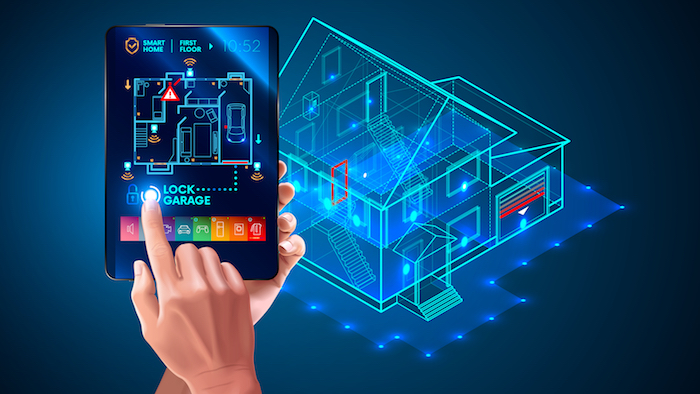
Introduction to Smart Homes and Voice Assistants
Imagine walking into your home, and with just a simple voice command, the lights dim, your favorite playlist starts playing, and the thermostat adjusts to the perfect temperature. Welcome to the world of smart homes! With technology advancing at lightning speed, creating a cozy haven that responds to your needs is no longer just a dream. Voice assistants like Alexa and Google Home are leading this revolution.
These powerful tools can turn any ordinary house into an intelligent living space where convenience meets comfort. Whether you’re looking to save time or make daily tasks easier, building a smart home has never been more accessible. So grab your favorite device as we explore how to create an Alexa smart home setup or dive into DIY smart home setups that suit your lifestyle perfectly!
Benefits of Building a Smart Home
Building a smart home offers convenience that transforms daily routines. Imagine controlling lighting, temperature, and appliances with just your voice or smartphone. This seamless integration saves time and effort.
Energy efficiency is another attractive benefit. Smart devices can optimize usage patterns, reducing monthly bills while being eco-friendly. You can monitor energy consumption from anywhere and make adjustments on the fly.
Enhanced security provides peace of mind as well. Smart cameras and locks allow you to keep an eye on your property remotely, ensuring safety at all times.
Customization is key too. Tailor your system according to your lifestyle and preferences for a unique living experience.
There’s the fun factor! From smart speakers playing your favorite tunes to automated coffee makers brewing fresh cups every morning—smart homes add an exciting layer of innovation to everyday life.
Choosing between Alexa and Google Home
When it comes to voice assistants, the choice between Alexa and Google Home can feel overwhelming. Both platforms offer unique features that cater to different needs.
Alexa shines when it comes to smart home integration. With thousands of compatible devices, setting up an Alexa smart home is straightforward. Its extensive skills library allows for endless customization.
On the other hand, Google Home excels in search capabilities and contextual understanding. If you prioritize information retrieval or have a preference for Google’s ecosystem, this might be your best bet.
Consider your current tech setup as well. If you’ve invested heavily in either Amazon or Google products, sticking with that brand may provide smoother compatibility and ease of use.
Think about which assistant aligns better with your lifestyle and preferences before making a decision on your DIY smart home setup.
Essential Devices for a Smart Home
To create an efficient smart home, start with a reliable hub. Whether you choose Alexa or Google Home, this will be your command center.
Smart bulbs are a game-changer. They let you control lighting from anywhere through voice commands or apps. You can set the mood for movie night or brighten up rooms with ease.
Consider a smart thermostat next. This device adjusts temperatures based on your habits, enhancing comfort while saving energy and money.
Security is paramount in any home. Smart cameras and doorbells allow remote monitoring of entrances, providing peace of mind via real-time alerts.
Don’t overlook smart plugs; they turn ordinary devices into intelligent ones by enabling remote control and scheduling features—even from miles away!
Each gadget enhances convenience and efficiency in daily life, ensuring that your DIY smart home setup shines brightly.
Step-by-Step Guide on Setting Up a Smart Home with Alexa and Google Home
Start by selecting your primary voice assistant. Whether it’s Alexa or Google Home, this will guide your device choices.
Next, connect your smart devices to a reliable Wi-Fi network. This ensures seamless communication between all components of your smart home setup.
Download the respective app for Alexa or Google Home on your smartphone. Create an account if you don’t have one already, and follow the prompts to customize settings.
Begin adding devices. For Alexa, search for compatible products through the app; for Google, use “Add Device” in settings. Follow specific instructions provided with each device for smooth integration.
Set up routines to automate tasks like turning off lights at bedtime or adjusting temperature when you arrive home.
Regularly check firmware updates within both apps to keep everything running smoothly and securely.
Tips for Troubleshooting and Maximizing Your Smart Home Experience
If you encounter issues with your smart home devices, start by checking the internet connection. Many problems stem from weak Wi-Fi signals or outages.
Next, ensure that all devices are updated to their latest firmware. Manufacturers often release updates that fix bugs and improve performance.
For Alexa users, try using specific voice commands for troubleshooting. Phrasing matters; clarity can dramatically change the response.
Consider setting up routines tailored to your lifestyle. This not only streamlines tasks but enhances efficiency throughout your day.
Engage with online communities or forums dedicated to smart homes. They’re great resources for tips and creative solutions others have discovered in their own setups.
The Future of Smart Homes and Voice Assistants
The future of smart homes is poised for remarkable advancements. As technology evolves, voice assistants will become even more intuitive. Imagine giving commands with mere whispers and having your home respond seamlessly.
Integration is key. Future smart homes will harmonize various devices, creating a unified ecosystem. From lighting to security systems, everything will communicate effortlessly.
Artificial intelligence plays a crucial role in this transformation. Voice assistants like Alexa and Google Home are learning user preferences daily, personalizing experiences in ways we can only dream of now.
Security innovations are also on the horizon. With enhanced facial recognition and biometric sensors, our homes will not only be smarter but safer as well.
Sustainability is gaining ground too. Smart energy management systems built into our homes could optimize power usage automatically, reducing waste while keeping costs down.
As we look ahead, one thing remains clear: the evolution of smart living has just begun.
Conclusion
Building a smart home using Alexa or Google Home is an exciting journey that opens up a world of convenience and control. The benefits are clear: increased energy efficiency, enhanced security, and the ability to manage your home with simple voice commands. Choosing between Alexa and Google Home comes down to personal preference, but both platforms offer robust features that can cater to your needs.
Equipping your space with essential smart devices allows you to create a personalized environment tailored just for you. From smart lights that adjust based on time of day to thermostats that learn your habits, the options are endless. Setting everything up might seem daunting at first, but following our step-by-step guide will ensure you get started smoothly.
Don’t forget about troubleshooting tips along the way; they’re invaluable in maximizing your experience and ensuring everything runs seamlessly. As technology progresses, the future looks bright for smart homes and voice assistants alike—they’re bound to become even more integrated into our daily lives.
With some research and experimentation, you’ll soon find yourself enjoying all the perks of a fully automated home setup that suits your lifestyle perfectly. Embrace this tech-savvy living style—you may discover it transforms how you interact with your space entirely!