
This article contains affiliate links. We may earn a commission if you book through our links at no additional cost to you.
Planning an international trip can feel exciting and overwhelming at the same time. There’s the thrill of imagining new places, cultures, and experiences, paired with practical questions about documents, budgets, bookings, and timing. The good news is that international travel planning doesn’t have to be complicated or stressful. With a clear, step-by-step approach, you can move from the idea stage to boarding your flight with confidence.
This guide walks through the entire international trip planning process, breaking it into manageable steps that work for first-time travelers and seasoned explorers alike. Whether you’re heading out for a short vacation or a longer journey, these steps help you stay organized, informed, and flexible.
Step 1: Choose Your Destination With Purpose
The first step in planning an international trip is deciding where to go, but this choice works best when it’s guided by practical factors as well as inspiration.
Start by considering:
- Your available travel dates
- Your budget range
- Your travel style, such as relaxed, adventurous, cultural, or food-focused
- Who you’re traveling with
Seasonality matters more than many travelers expect. Weather, peak tourist seasons, and local holidays can all affect prices, crowds, and availability. For example, traveling during shoulder seasons often means fewer crowds and better value, while peak seasons can offer festivals or ideal weather at a higher cost.
It’s also helpful to research entry requirements early. Some destinations require visas, proof of onward travel, or minimum passport validity. Knowing these details upfront can narrow your options and prevent last-minute changes later.
Step 2: Set a Realistic Travel Budget
Budgeting is a foundation of international trip planning. A clear budget helps you make decisions confidently and avoid surprises.
Your budget should include:
- Flights
- Accommodation
- Local transportation
- Food and drinks
- Activities and attractions
- Travel insurance
- Visas and documentation fees
- Emergency buffer funds
Costs vary widely by destination, so researching average daily expenses is useful. It’s also smart to factor in currency exchange rates and potential international transaction fees.
Rather than aiming for the lowest possible cost, focus on value. Spending slightly more on convenient flight times or centrally located accommodation can improve your overall experience and reduce stress during the trip.
Step 3: Check Passport and Visa Requirements
Before booking anything non-refundable, confirm that your passport meets the destination’s requirements. Many countries require passports to be valid for at least six months beyond your return date.
Visa requirements depend on your nationality and destination. Some visas are granted on arrival, others require online applications, and some must be arranged well in advance. Processing times can range from days to weeks, so it’s best to handle this step early.
Also check whether transit visas are required if you’re connecting through another country. This detail is often overlooked and can cause issues during travel if ignored.
Step 4: Decide on Trip Length and Itinerary Style
Once the destination is set, decide how long you’ll stay and how much you want to see.
Ask yourself:
- Do you prefer a slower pace or packed sightseeing days?
- Will you stay in one location or visit multiple cities?
- Are you interested in guided tours or independent exploration?
Many travelers try to fit too much into a short time. While it’s tempting to see everything, leaving space for rest and spontaneous experiences often leads to a more enjoyable trip.
A flexible itinerary also helps you adapt to weather changes, local events, or personal energy levels.
Step 5: Book Flights Strategically
Flights are often the biggest expense in international travel, so timing and flexibility matter.
When booking flights:
- Compare different departure airports if possible
- Consider alternative travel dates for better prices
- Pay attention to layover length and airport changes
- Check baggage policies carefully
It’s not always best to choose the cheapest option. Long layovers, inconvenient arrival times, or strict baggage limits can add stress and unexpected costs. Balance price with comfort and convenience, especially for long-haul flights.
Booking flights earlier usually provides more options, though prices can fluctuate. Monitoring fares over time helps you recognize reasonable deals when they appear.
Step 6: Choose Accommodation That Matches Your Trip Style
Accommodation plays a major role in how your trip feels. Location, comfort, and amenities all affect your daily experience.
Consider:
- Proximity to major attractions or public transportation
- Room size and layout
- Included amenities like breakfast or Wi-Fi
- Guest reviews focusing on cleanliness and location
Some travelers prioritize comfort and central locations, while others prefer budget-friendly options or unique stays. There’s no single right choice, as long as it aligns with your plans and preferences.
For longer stays, it’s worth considering accommodations that offer laundry facilities or kitchen access, which can make the trip more convenient.
Step 7: Plan Transportation Within Your Destination
Getting around efficiently saves time and energy during your trip.
Research local transportation options such as:
- Public transit systems
- Ride-sharing services
- Rental cars
- Regional trains or flights
In some destinations, public transportation is reliable and easy to use. In others, renting a car provides flexibility, especially in rural areas.
Understanding transportation options ahead of time helps you plan realistic daily schedules and estimate travel costs more accurately.
Step 8: Research Activities and Experiences
Activities give structure to your trip, but planning every hour in advance isn’t always necessary.
Start by identifying:
- Must-see landmarks or attractions
- Experiences unique to the destination
- Cultural or outdoor activities you enjoy
Booking popular attractions in advance can save time and ensure availability, particularly during busy seasons. At the same time, leaving some days open allows you to discover local spots or take recommendations from people you meet along the way.
A balanced approach helps you avoid feeling rushed while still making the most of your destination.
Step 9: Understand Health and Safety Considerations
Health and safety planning is an essential part of international travel preparation.
Check:
- Recommended or required vaccinations
- Local health advisories
- Emergency numbers at your destination
- Availability of medical care
Travel insurance is strongly recommended, as it can cover medical emergencies, trip interruptions, and lost belongings. Reviewing policy details ensures you understand what’s included and what’s not.
It’s also wise to carry copies of important documents, both digital and physical, in case of loss or theft.
Step 10: Prepare Financially for International Travel
Managing money abroad requires some preparation.
Before departure:
- Notify your bank of travel plans
- Understand foreign transaction fees
- Research currency exchange options
- Carry a mix of payment methods
Many destinations are card-friendly, but smaller towns or local markets may rely on cash. Knowing where and how to access money reduces stress and prevents overspending.
Setting a daily spending guideline can help you stay within budget without constantly checking balances.
Step 11: Pack Smart and Purposefully
Packing for an international trip is about balance. You want to be prepared without overpacking.
Key packing considerations:
- Weather and climate
- Cultural norms and dress codes
- Planned activities
- Luggage restrictions
Versatile clothing items that can be layered or worn multiple ways save space. Comfortable walking shoes are often more important than fashion choices.
Packing essential items in your carry-on, such as medications and important documents, provides peace of mind in case of luggage delays.
Step 12: Plan for Connectivity and Communication
Staying connected while traveling makes navigation, communication, and planning easier.
Options include:
- International roaming plans
- Local SIM cards
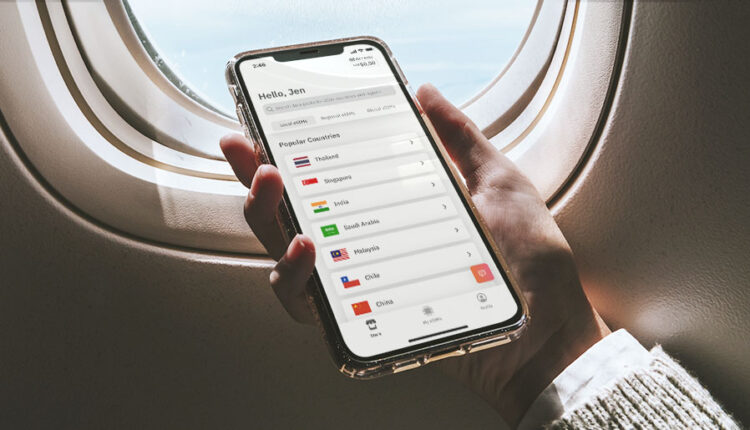
- eSIM services
- Portable Wi-Fi devices
Choosing the right option depends on your destination, phone compatibility, and usage needs. Researching this in advance helps you stay connected from the moment you arrive.
Downloading offline maps, translation apps, and key travel documents is also useful, especially in areas with limited connectivity.
Step 13: Organize Travel Documents and Details
Keeping all your travel information organized simplifies the entire journey.
Create a digital folder that includes:
- Flight confirmations
- Accommodation details
- Insurance documents
- Copies of passports and visas
- Emergency contact information
Having everything accessible in one place saves time at airports, hotels, and border crossings.
Step 14: Prepare for Cultural Differences
Understanding cultural norms enhances your travel experience and helps you interact respectfully.
Research:
- Basic local phrases
- Tipping customs
- Social etiquette
- Common cultural misunderstandings
Even small efforts, like greeting people in the local language, can lead to more positive interactions and memorable moments.
Step 15: Build Flexibility Into Your Plan
No matter how well you plan, unexpected changes can happen. Flights may be delayed, weather can shift, and plans might evolve.
Building flexibility into your itinerary helps you adapt without stress. This mindset allows you to enjoy the journey rather than focusing on perfection.
Step 16: Do a Final Pre-Departure Check
In the days before departure:
- Reconfirm bookings
- Check weather forecasts
- Review transportation plans
- Ensure documents are easily accessible
A final review helps you catch small details that might otherwise be overlooked.
Step 17: Enjoy the Journey, Not Just the Destination
International travel is about more than checking off places on a list. It’s about experiencing new perspectives, meeting people, and learning along the way.
Approaching your trip with curiosity and patience can turn even small moments into meaningful memories.
Step 18: Reflect and Adjust for Future Trips
After returning home, take time to reflect on what worked well and what you’d do differently. These insights make future trips easier to plan and more enjoyable.
Step 19: Stay Open to New Experiences
Some of the best travel moments happen unexpectedly. Staying open to new experiences allows your trip to unfold naturally and often leads to stories you’ll remember long after returning home.
Step 20: Travel With Confidence
With thoughtful planning and a step-by-step approach, international travel becomes less intimidating and more rewarding. Each trip builds experience, making the next one even smoother.