Navigating the world of fashion can feel like a whirlwind. One moment, you’re captivated by the latest trend-driven fashion brands popping up on social media feeds; the next, you’re surrounded by timeless American icons that have stood the test of time. With so many options available, how do you differentiate fleeting fads from enduring classics? As consumer behavior continues to evolve with each passing season, understanding these distinctions becomes increasingly vital for both shoppers and investors alike.
This journey through style not only shapes our wardrobes but also influences our purchasing decisions in significant ways. It’s essential to recognize whether a brand is riding the wave of current trends or if it has established itself as a lasting staple in American culture. In this blog post, we’ll dive deep into what sets trend-driven fashion brands apart from their timeless counterparts and why investing in quality over fast fashion might just be one of your smartest choices yet.
Understanding the difference between trend-driven and timeless brands
Trend-driven brands thrive on the latest buzz. They adapt quickly to fleeting styles, often drawing inspiration from runway shows or celebrity endorsements. Their collections change rapidly, capturing the pulse of current fashion trends.
In contrast, timeless brands focus on enduring quality and classic design. These companies prioritize craftsmanship over quick turnarounds. They create pieces that remain relevant regardless of shifting fads.
The essence of a trend-driven brand lies in its ability to attract attention quickly but risk losing relevance just as fast. Timeless brands build loyalty through consistency and reliability, appealing to consumers seeking lasting value rather than momentary excitement.
When you invest in clothing from timeless labels, you’re choosing style that transcends seasons. Trend-driven fashion may offer novelty today but can lead to regret tomorrow as styles fade away from popularity. Understanding this difference helps consumers make informed decisions about their wardrobes and investments.
The impact of trends on consumer behavior
Trends significantly shape consumer behavior, often dictating what people buy. When a new fashion trend emerges, it creates a buzz that can sway even the most loyal customers of timeless brands.
Social media plays a crucial role in this transformation. Platforms like Instagram and TikTok allow trends to spread rapidly, influencing purchasing decisions almost overnight. Users are drawn to what’s popular, leading them to explore trend-driven fashion brands over more established choices.
Additionally, the desire for social acceptance drives consumers toward these fleeting styles. Many individuals seek validation through trendy items that reflect their awareness of current fashions.
However, this constant chase can lead to buyer fatigue. As trends shift quickly, consumers may find themselves with wardrobes full of pieces that no longer resonate or have lasting value. The allure of novelty often overshadows the importance of quality and durability in their shopping habits.
Identifying trend-driven brands in the American market
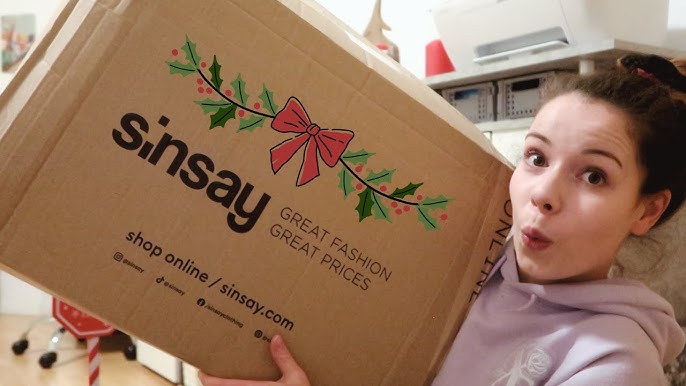
Trend-driven brands often emerge from the fast-paced world of social media and influencer culture. These brands capitalize on fleeting fads, making them highly reactive to changes in consumer preferences.
Look for companies that release frequent collections or collaborate with influencers. Their marketing strategies usually emphasize immediacy, tapping into the latest styles and trends.
Also, pay attention to pricing models; trend-driven fashion brands typically offer lower price points to entice consumers seeking new looks without breaking the bank. However, this can come at a cost—often in quality.
Additionally, observe their online presence. Brands that thrive on Instagram or TikTok are likely riding the wave of current trends rather than establishing a lasting legacy.
By recognizing these patterns, you can differentiate between those chasing short-lived popularity and those aiming for timeless appeal in the American market.
Characteristics of timeless American brands
Timeless American brands possess a unique charm that transcends trends. They focus on quality, ensuring their products stand the test of time. Unlike trend-driven fashion brands, these labels prioritize craftsmanship over fleeting fads.
Another hallmark is authenticity. These brands often have rich histories and stories behind them, forging emotional connections with consumers. This sense of heritage adds depth to their identity.
Versatility also plays a crucial role. Timeless brands create pieces that can be styled in various ways, appealing to different tastes and occasions.
Additionally, strong brand values matter immensely. Many timeless American brands advocate sustainability and ethical practices, resonating with conscious consumers who seek quality vs fast fashion alternatives.
They foster loyalty by consistently delivering exceptional customer experiences. Shoppers feel valued and connected to the brand’s mission beyond just purchasing items.
Examples of successful timeless American brands
When thinking of timeless American brands, Levi’s stands out. Its iconic denim jeans have transcended generations and fashion trends alike. The brand is synonymous with quality and durability.
Another example is Coca-Cola. This beverage giant has become a cultural staple since its inception in the late 19th century. Its classic branding remains relevant year after year.
Then there’s Brooks Brothers, a pioneer in American menswear since 1818. Known for its suits and dress shirts, this brand epitomizes elegance while maintaining a loyal customer base.
Consider Nike. While it embraces innovation, its core values resonate through time—performance and authenticity remain central to their identity.
These brands illustrate that staying power comes from consistency in quality and understanding consumer needs over fleeting trends.
Why investing in a timeless brand is a smart choice
Investing in a timeless brand offers lasting value. These brands often have a rich heritage and strong customer loyalty, which makes them more resilient during economic downturns.
Timeless brands prioritize quality over quantity. They focus on craftsmanship and materials that withstand the test of time, providing consumers with products that last longer than trend-driven alternatives.
Moreover, they tend to adhere to classic styles that don’t go out of fashion quickly. This means you won’t have to replace your wardrobe every season.
When you choose these brands, you’re not just buying clothing; you’re investing in sustainability. Rather than contributing to fast fashion’s wastefulness, you’re supporting companies committed to ethical production practices.
This mindful approach resonates with today’s conscious consumers who seek authenticity and purpose in their purchases. Investing in timeless brands aligns personal values with smart financial choices.
Conclusion
When navigating the ever-changing landscape of American fashion, understanding the difference between trend-driven and timeless brands is essential. Trend-driven fashion brands often capitalize on fleeting fads, attracting consumers with rapid style shifts and eye-catching designs. While they may offer immediate satisfaction, their sustainability can be questionable.
On the other hand, timeless American brands focus on quality over quantity. They possess enduring appeal through classic styles that withstand seasonal changes. This approach not only fosters loyalty among customers but also promotes sustainable consumption practices—an increasingly important factor in today’s market.
Investing in a timeless brand offers long-term value. These companies prioritize craftsmanship and durability, ensuring that each piece remains relevant for years to come. By choosing quality over fast fashion, consumers make a conscious decision to support businesses committed to excellence.
As you explore your wardrobe options or consider your next purchase, keep these distinctions in mind. A thoughtful choice can lead not just to personal style satisfaction but also contribute positively to broader industry trends around sustainability and ethical production practices.