
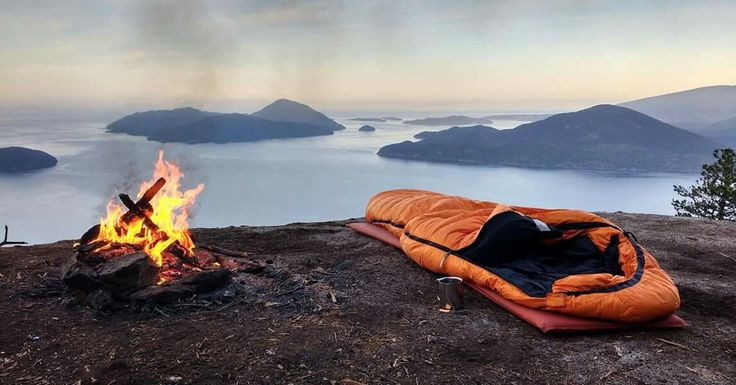
Choosing the right sleeping bags can make a major difference to comfort, warmth, and sleep quality during an outdoor trip. Whether you are planning a summer camping weekend, a backpacking adventure in the Rocky Mountains, or a cool-weather trip through the forests of the Pacific Northwest, your sleeping bag needs to match the conditions you expect to encounter. The right combination of temperature rating, insulation, weight, shape, and packability can help you stay warm without carrying unnecessary bulk.
A good sleeping bag buying guide should therefore focus on more than price or appearance. Your destination, season, sleeping habits, transportation method, and expected nighttime temperatures should all influence your choice.
Why Choosing the Right Sleeping Bags Matters
A sleeping bag is one part of your overall outdoor sleep system. Your sleeping pad, clothing, shelter, and the weather around you can all affect how warm you feel at night.
For backpackers, weight and packed size become especially important because every item has to be carried. For car campers, comfort and durability may matter more than saving a few ounces.
Before buying, consider:
- Where you will camp
- The coldest nighttime temperature expected
- Whether you will backpack or car camp
- How much weight you can comfortably carry
- Whether the environment is generally dry or damp
- Your personal preference for sleeping warm or cool
Start With the Temperature Rating
The temperature rating should be one of the first specifications you check. It indicates the conditions a bag is designed to handle, but it should not be interpreted as a guarantee that every person will feel warm at that exact temperature.
Standardized ISO or EN ratings make it easier to compare bags from different brands. These standards commonly provide comfort and lower-limit ratings, reflecting differences in how warm or cold different sleepers may feel.
When choosing a bag, look at the lowest nighttime temperature you realistically expect and select a rating that gives you an appropriate safety margin.
For example, if a summer trip in the US is expected to reach around 40°F at night, a bag rated around 30°F may provide more flexibility than choosing one rated exactly at 40°F.
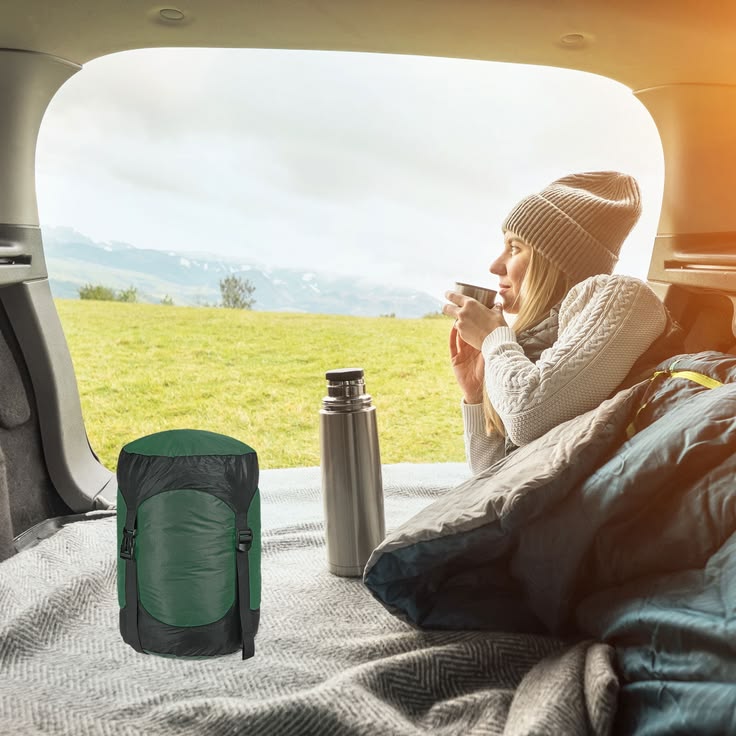
Temperature rating checklist
- Check the expected overnight low.
- Look for an ISO or EN rating when available.
- Consider whether you are a warm or cold sleeper.
- Leave some margin for unexpected weather.
- Remember that your sleeping pad also affects warmth.
For colder environments such as the Rockies, a lower-rated bag can be particularly valuable because temperatures can fall significantly after sunset.
Choose Between Down and Synthetic Insulation
The next major decision is insulation. Most sleeping bags use either down or synthetic insulation, and each option has advantages.
A down sleeping bag generally offers an excellent warmth-to-weight ratio and compresses efficiently, making it popular among backpackers. High-quality down can provide substantial warmth without adding as much weight or bulk as comparable insulation.
Synthetic insulation, meanwhile, can be a practical choice for wet or humid environments. Synthetic fills continue to provide insulation when damp and generally dry faster than down. They are also often more affordable.
Down vs. synthetic
Down sleeping bag:
- Lightweight
- Highly compressible
- Excellent warmth-to-weight ratio
- Particularly effective in cold, dry conditions
- Usually more expensive
- Requires greater care around moisture
Synthetic sleeping bag:
- Generally more affordable
- Performs better when wet
- Dries relatively quickly
- Suitable for humid or damp environments
- Often bulkier than comparable down options
If you regularly camp in dry mountain conditions and prioritize low weight, down may be attractive. For humid forests, rainy regions, or budget-conscious camping, synthetic insulation can be a practical alternative.
Think About Weight and Packability
If you are car camping, carrying an extra pound may not matter much. However, when hiking several miles with a full backpack, the weight of your sleeping bag becomes much more important.
A lightweight sleeping bag can reduce the overall weight of your backpack and leave more room for other backpacking gear. However, don’t compare weight alone. A warmer bag will generally require more insulation, so compare bags with similar temperature ratings before deciding which one is lighter or more efficient.
When comparing models, check:
- Total weight
- Insulation weight
- Packed or compressed volume
- Temperature rating
- Bag dimensions
- Included compression or storage sack
For backpacking trips across destinations such as Colorado, Utah, California, or the Pacific Northwest, packability can be just as important as warmth.
Select the Right Sleeping Bag Shape
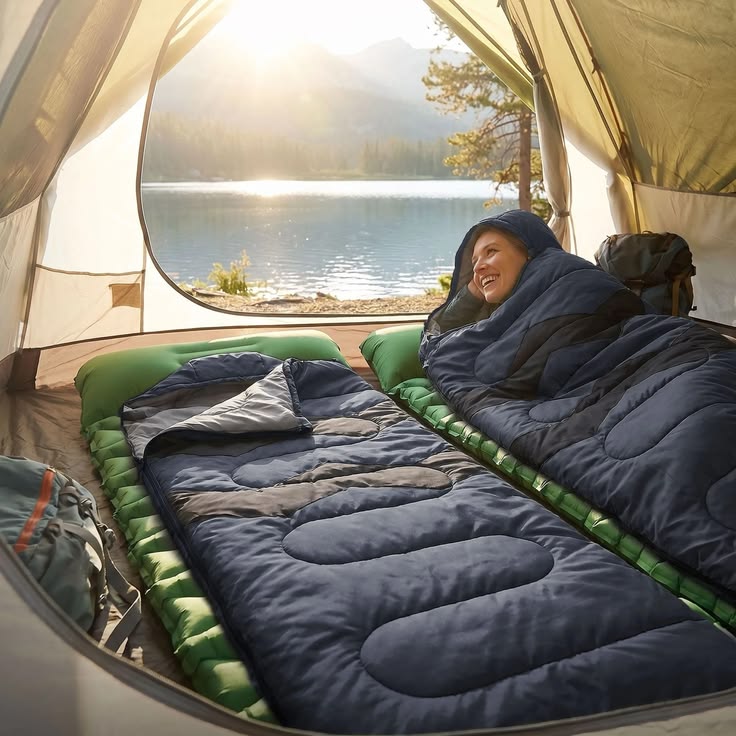
The shape of a sleeping bag affects warmth, comfort, and weight. A closer-fitting bag generally reduces the amount of air your body has to heat, while a roomier design can provide greater freedom of movement.
Mummy-style bags are popular for backpacking because they prioritize thermal efficiency and lower weight. Roomier rectangular designs may be more comfortable for casual camping, particularly when space and weight are not major concerns.
Consider:
- Mummy: Efficient warmth and generally lightweight.
- Rectangular: More room for movement and suitable for casual camping.
- Semi-rectangular: A compromise between warmth and space.
- Wide versions: Useful for people who prefer additional shoulder or leg room.
Your sleeping position matters too. Side sleepers may prefer a slightly roomier design, while people who sleep relatively still may appreciate a closer fit.
FAQs
What temperature rating should I choose for a sleeping bag?
Choose a temperature rating based on the lowest temperatures you expect to encounter, while considering whether you sleep warm or cold. A small temperature buffer can provide additional flexibility.
Is down better than synthetic insulation?
Neither is universally better. Down is lighter and more compressible, while synthetic insulation generally performs better in wet conditions and is often more affordable.
Are lightweight sleeping bags good for camping?
Yes. A lightweight sleeping bag is especially useful for backpacking because it reduces the weight you need to carry. For car camping, however, you may prefer a heavier but roomier or more comfortable option.
What is the difference between a camping sleeping bag and a backpacking sleeping bag?
Backpacking bags generally prioritize low weight, compact packed size, and warmth-to-weight efficiency. Camping bags can prioritize comfort, space, and value because they do not necessarily need to be carried long distances.
Can I use a sleeping bag in wet weather?
Yes, but insulation type matters. Synthetic bags generally retain insulating ability better when wet, while down can lose significant insulating performance when saturated.
Conclusion
Choosing the right sleeping bags starts with understanding your destination, expected nighttime temperatures, insulation preferences, and how you plan to travel. A good camping sleeping bag should provide enough warmth for the conditions while remaining comfortable and practical to carry.
For backpackers, a lightweight down bag may provide an excellent warmth-to-weight balance, while synthetic insulation can be a smart choice for damp climates or budget-conscious campers. Most importantly, compare temperature ratings, insulation, weight, packed size, and features rather than choosing solely by price.
Whether you’re planning a summer camping trip in California, a mountain adventure in Colorado, or a multi-day backpacking route through the Pacific Northwest, choosing the right sleeping bag can make your nights outdoors significantly more comfortable.