Buying your first kayak for beginners can feel overwhelming when you are faced with different hull shapes, lengths, materials, seating systems and price points. The right choice depends less on buying the most expensive model and more on matching the kayak to where you plan to paddle, your experience level and how you will transport and store it. For calm lakes, slow rivers and protected waterways, a stable recreational kayak is often a practical starting point.
A good first kayak should feel predictable, comfortable and manageable. Before choosing one, consider kayak stability, kayak length, weight capacity, construction, seating and the beginner kayaking gear you will need alongside the boat.
What Type of Kayak Is Best for Beginners?
The first decision in this kayak buying guide is determining what type of water you will actually use. A kayak designed for calm recreational paddling is very different from one intended for touring, fishing or whitewater.
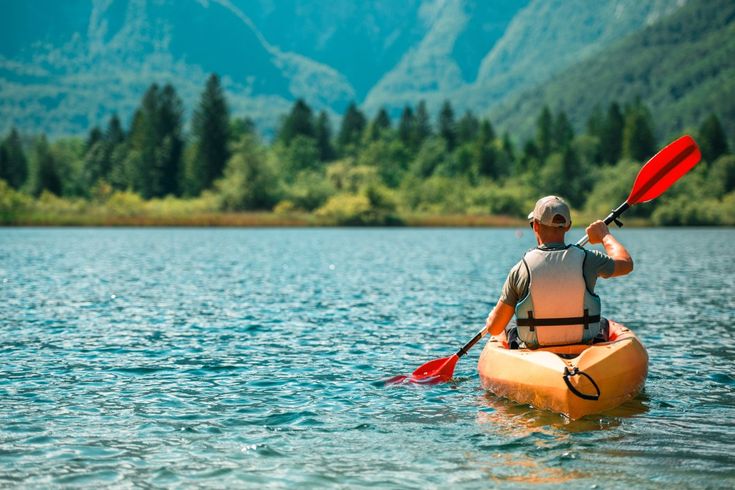
For most new paddlers, a recreational kayak is a sensible choice for flat and sheltered water. These boats generally prioritize stability and ease of handling rather than speed or long-distance performance. Sit-on-top models can also be appealing because they are generally easier to enter, exit and re-enter after a capsize.
Common kayak types to consider
- Recreational kayak: Best for calm lakes, ponds, slow rivers and protected bays.
- Sit-on-top kayak: Easy to enter and exit, making it popular with beginners.
- Sit-inside kayak: Offers more protection from water and weather but may require more practice with re-entry.
- Inflatable kayak: Useful when storage space and vehicle transport are major concerns.
- Touring kayak: Better suited to longer trips and more open-water conditions.
- Fishing kayak: Includes features such as rod holders and additional storage.
- Whitewater kayak: Designed for rapids and requires specialized skills and training.
For a first purchase, avoid choosing a specialized kayak simply because it has more features. Your first boat should match your current ability and the environments where you realistically expect to paddle.
Consider Kayak Stability Before Speed
Kayak stability is one of the most important factors for beginners. A highly maneuverable or fast kayak may sound attractive, but a new paddler usually benefits more from a boat that feels steady and forgiving.
Wider recreational kayaks generally provide more initial stability, which can make getting in, getting out and learning basic strokes less intimidating. Indian government adventure-tourism guidance similarly describes recreational kayaks as relatively short and wide and intended for flat, sheltered water.
When comparing models, look at:
- Hull width and overall shape
- Weight capacity
- Seat position and adjustability
- Cockpit size on sit-inside models
- Intended water conditions
- Stability reputation of the design
Remember that stability is not the same as performance. A very wide kayak may feel stable but can require more effort to paddle, while a narrower design may track efficiently but feel less forgiving to someone who is still developing balance.
How Does Kayak Length Affect Beginners?
Kayak length affects tracking, maneuverability, storage and transportation. Shorter recreational kayaks are generally easier to turn and handle, while longer kayaks tend to track more efficiently over distance.
For beginners who mainly plan short outings on small lakes or calm waterways, a shorter recreational model can be easier to manage. If you eventually plan longer trips, a longer touring-oriented kayak may make more sense.
Think about your complete routine before buying:
- Can you lift the kayak safely?
- Will it fit on your vehicle?
- Do you have somewhere to store it?
- Can you carry it from your storage area to the water?
- Will you mostly paddle short or long distances?
A kayak that performs well but is too difficult to transport may end up sitting unused.
Should Beginners Buy an Inflatable Kayak?
An inflatable kayak can be a practical choice if you live in an apartment, have limited storage or do not own a vehicle capable of carrying a rigid kayak. It can be deflated, packed and transported more easily than many hard-shell models.
However, portability should not be the only consideration. Check the manufacturer’s specifications for maximum capacity, construction, inflation requirements and intended water conditions.
For beginners, compare an inflatable kayak against a rigid recreational kayak based on:
- Packed size
- Inflation time
- Total weight
- Maximum paddler and gear capacity
- Durability
- Included pump and accessories
- Intended water conditions
If you regularly paddle in calm lakes and need easy transportation, portability can outweigh the performance advantages of a rigid boat.
Beginner Kayaking Gear You Should Budget For
The kayak itself is only one part of your beginner kayaking gear. Safety equipment should be included in your initial budget rather than treated as an optional upgrade.
Essential items can include:
- Properly fitted life jacket or personal flotation device (PFD)
- Paddle
- Whistle or other signaling device
- Dry bag for valuables
- Water and sun protection
- Weather-appropriate clothing
- Bilge pump for appropriate sit-inside kayaks
- Waterproof phone or communication setup
- Spare paddle for longer or more remote outings
A PFD should be worn while paddling. REI notes that a properly fitted PFD is essential kayaking equipment, while U.S. Coast Guard-approved PFDs are the relevant standard for U.S. boating contexts.
Frequently Asked Questions
What is the best kayak for beginners?
A stable recreational kayak is usually a strong starting point for beginners who plan to paddle on calm lakes, ponds, slow rivers or protected waterways. Choose based on stability, comfort, capacity and portability rather than price alone.
Is a sit-on-top kayak good for beginners?
Yes. Sit-on-top kayaks are popular with beginners because entering and exiting is straightforward, and re-entry after a capsize can be easier than with many sit-inside designs.
What kayak length is best for beginners?
There is no universal ideal length. Shorter recreational kayaks are generally easier to maneuver, while longer kayaks can provide better tracking for longer trips. Your intended water and transportation needs should guide the decision.
Are inflatable kayaks good for beginners?
An inflatable kayak can be a good option when portability and storage are priorities. Before buying, check its capacity, construction, included equipment and the manufacturer’s recommended water conditions.
What beginner kayaking gear is essential?
At minimum, beginners should plan for a suitable kayak, paddle and properly fitted PFD. Depending on the trip, a whistle, dry bag, communication device, water, sun protection and additional safety equipment may also be appropriate.
Conclusion
Choosing the right kayak for beginners is ultimately about finding a balance between stability, comfort, portability, capacity and intended use. You do not need the fastest or most feature-packed boat to enjoy your first season on the water.
Start with the environments you know you will use, prioritize a stable recreational design, choose a manageable kayak length, and budget for a quality paddle and properly fitted life jacket. Once you gain experience, you can always move into touring, fishing, coastal or specialized kayaks.
The best first kayak is the one that makes you feel confident enough to get on the water regularly.
Ready to start your kayaking journey? Explore beginner-friendly kayaks and essential water sports equipment to build a safe, comfortable setup for your next outdoor adventure.